 Formerly Tasman Eco
The full journey: guides, hero category pages and top 3 rankings.
115%average month-on-month sales growth
10xreturn on ad spend
34%increase in average order value
4xsearch impressions on Google
Turn Google searches into orders, not just traffic.
Most ecommerce SEO stops at product pages. We build the whole path a shopper takes, from their first question to the product they add to cart, so your store shows up at every step in Google and in AI search.

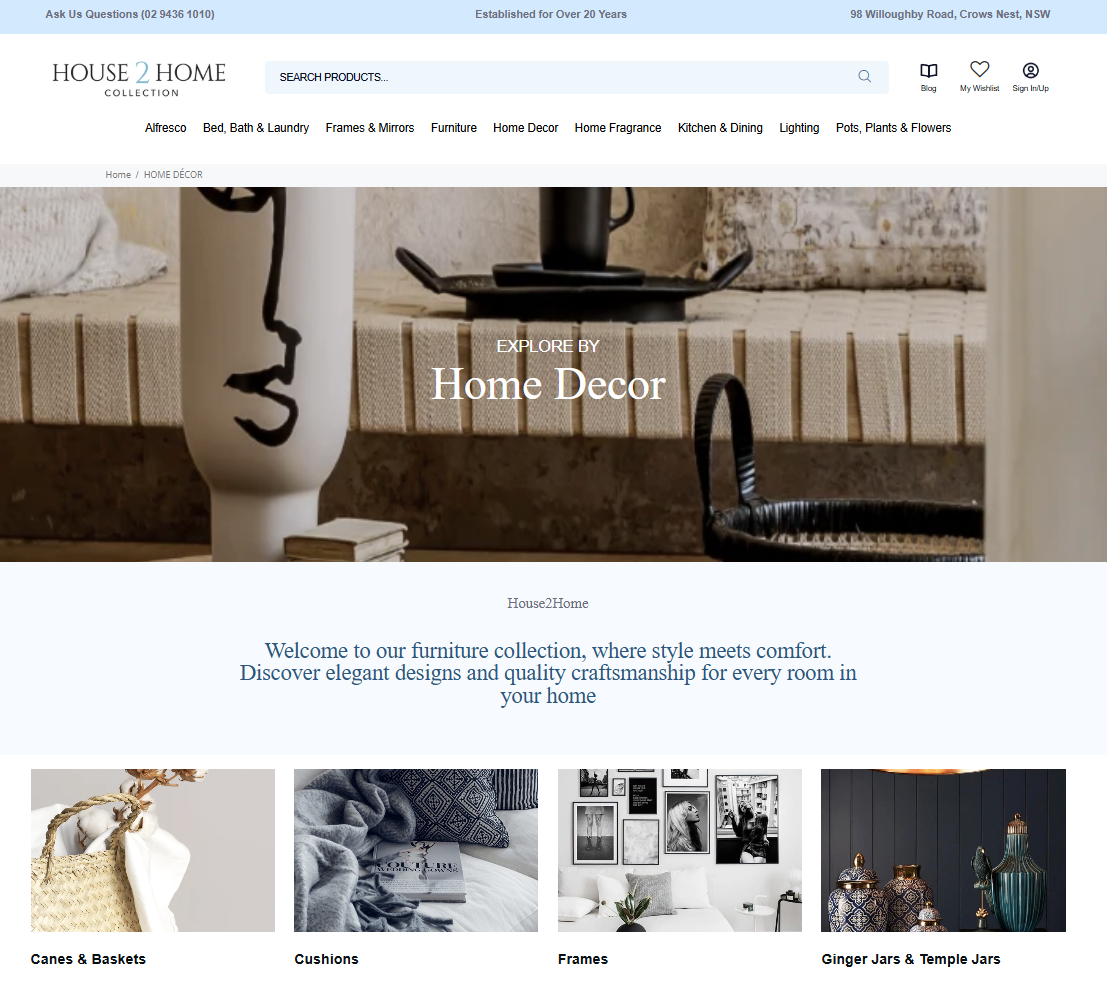
A heading, 40 product tiles and a filter. Google has no reason to pick that page over the same grid on a bigger site, and a shopper has no help choosing.
Most of your organic sales come from your own brand name. The shoppers still comparing options never see you, so you pay for every new customer through ads.
National retailers win by default because of their age and scale. Matching their product pages does not close that gap. Out-teaching them does.
Nobody starts by searching for your product.
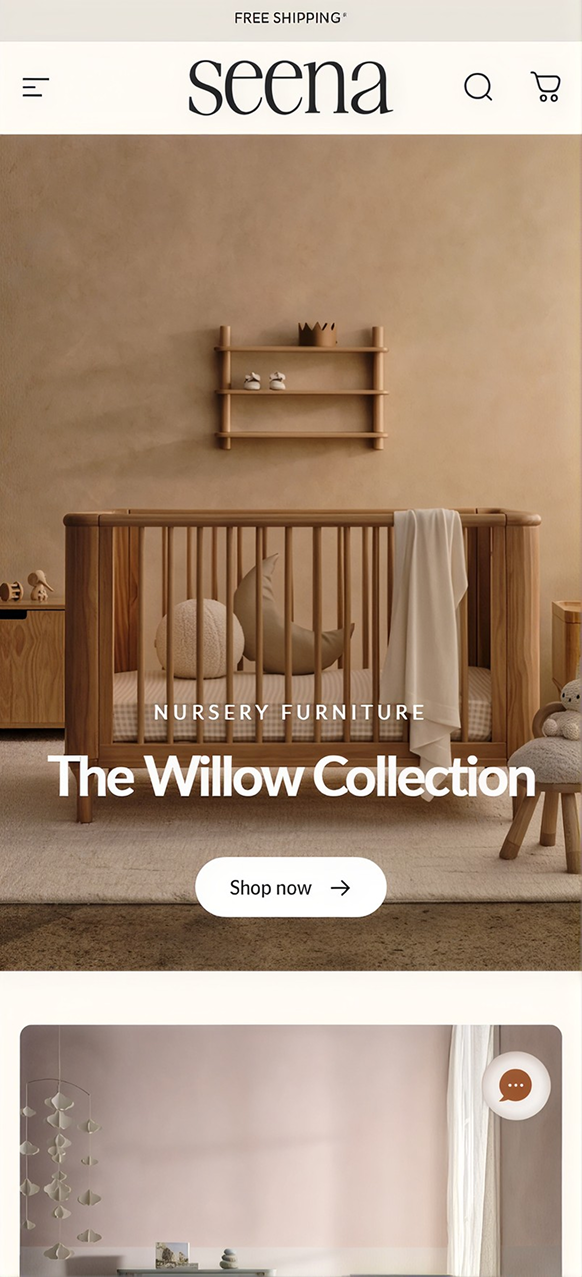
A purchase is the last step of a longer search. We plan content for every step, working backwards from the sale. Here is how that looks for a nursery furniture brand like Seena (formerly Tasman Eco).
Most agencies work on stage 4 only, where every competitor is fighting over the same few searches. The stores that win build stages 1 to 3 as well. Those pages bring in shoppers earlier, and they are also what earns Google's trust for the buying searches at the end.
The results page is no longer a list of websites.
Ecommerce search has changed more this year than in any year before it. Search for a product and look at what you see first. The traditional website listings have been pushed further and further down the page.
Your strategy has to adjust with it. Search engines no longer look only at what you do on your website. They look at your whole presence online:
An SEO-only agency can work on one or two of those. We do all of it in-house: SEO, content writing, web design and development, photography, video and PR. So we can help you take advantage of the new results page, and not only the part of it that used to be called SEO.
The AEK approach: three hero pages and everything that supports them.
A category page should do the job of your best salesperson, not your stockroom shelf. Ours are built to rank and to help someone choose.
For Seena, this is how collections like cot and mattress packages and nursery furniture packages reached the top 3.
Blogs, guides and buying guides are versions of the same thing: help for a shopper who is still researching. They do two jobs.
Big, long-established competitors can lean on their size and skip this. That is your opening. High-quality supporting content is how a smaller store competes with them, and it is the same content AI search tools quote in their answers. Every guide is written by our in-house writers, not generated.
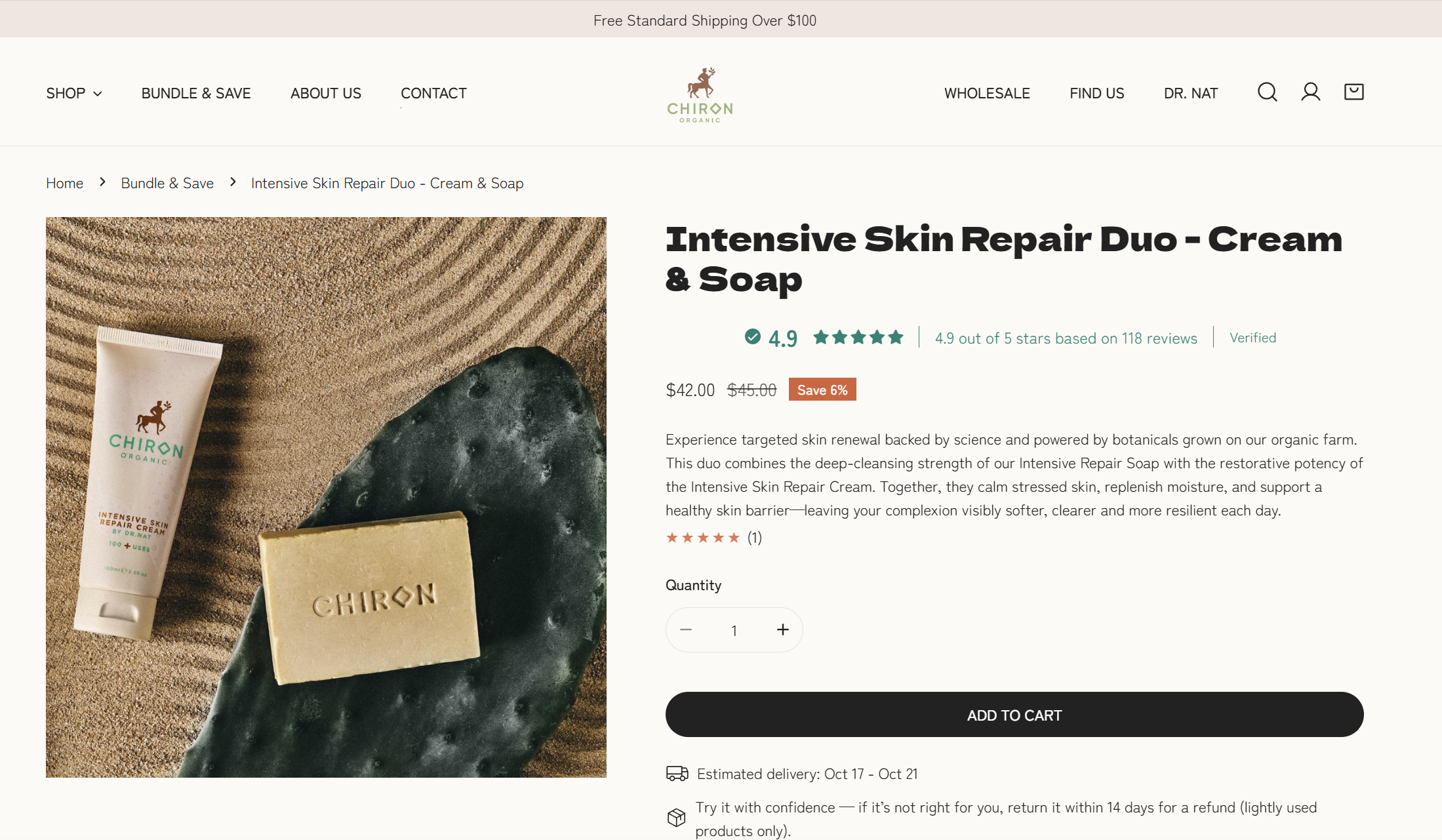
We do not only design product pages that rank. We design product pages that convert.
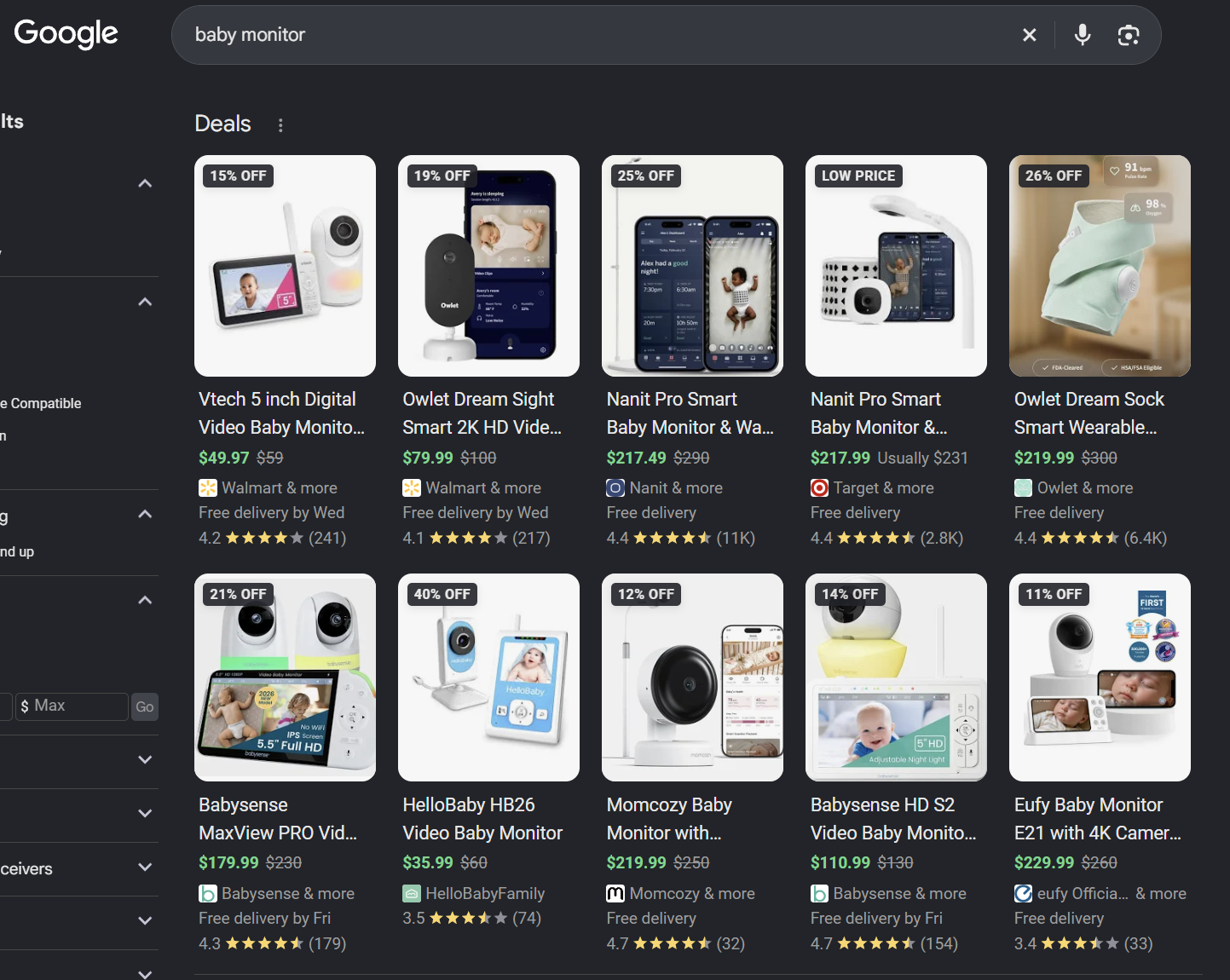
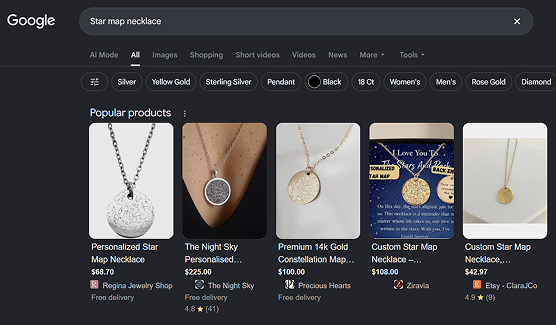
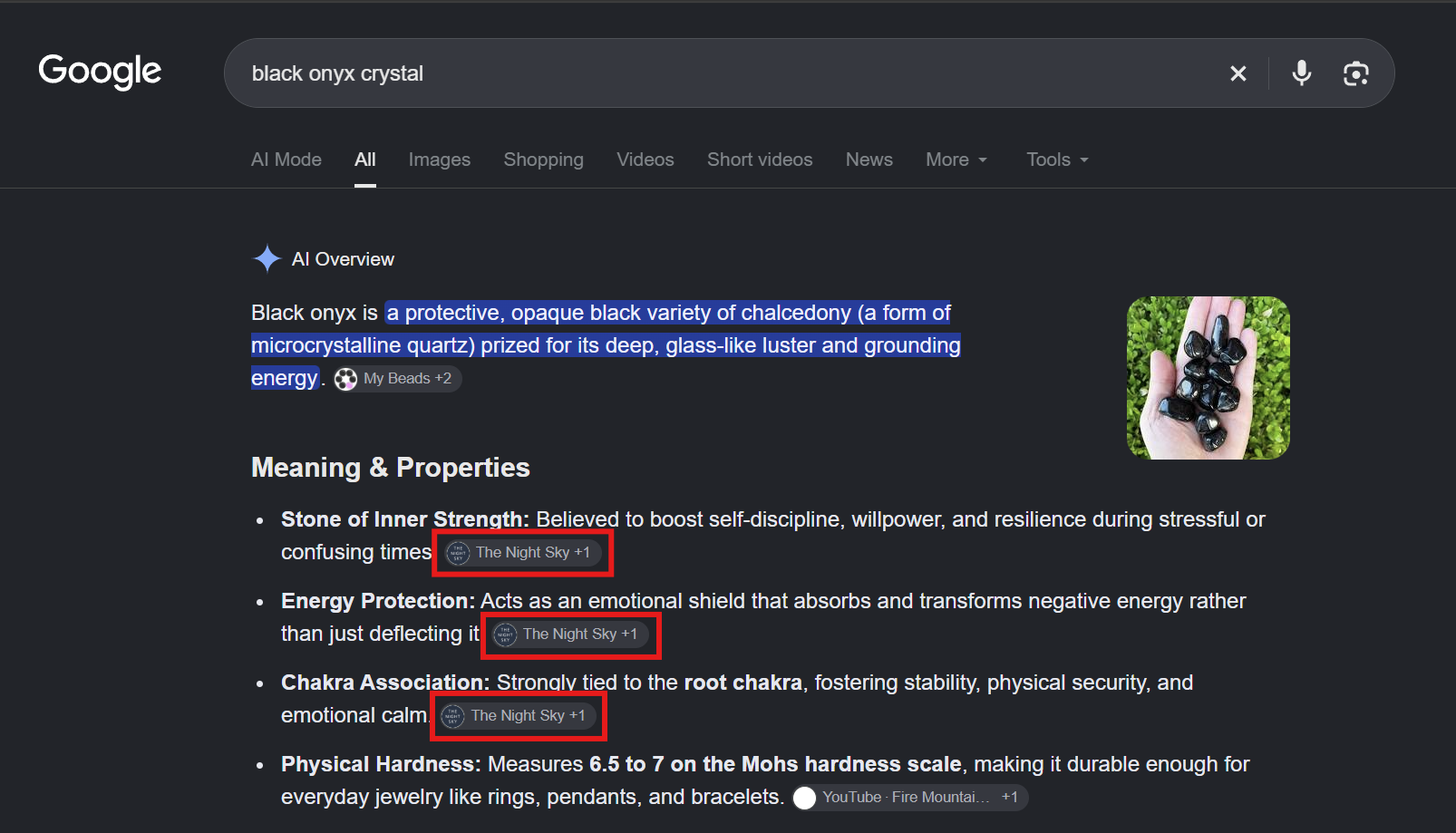
Popular products is the grid of products Google shows in the search results, often above every website. It is an organic listing, not an ad, and it is fed by your Google Merchant Center product data.
Your product title does most of the work in deciding which searches your products appear for. So we rewrite product titles to be found by two groups of people:
For The Night Sky, a custom star map brand, that meant showing up for people searching for wedding gifts and anniversary gifts, not only for people who already knew what a star map was.
If you are a retailer: click a product in Popular products and Google usually shows every store selling that same item, matched on its GTIN (the barcode number). If five retailers stock it, five retailers are listed. We work on your title, price, delivery, stock and review data so that your store is the one at the top.
If you are a brand: we help your own products get featured in Popular products for the category searches where shoppers are still choosing between brands.
Sale prices and promotions in your product data can also make you eligible for Google’s deals listings.
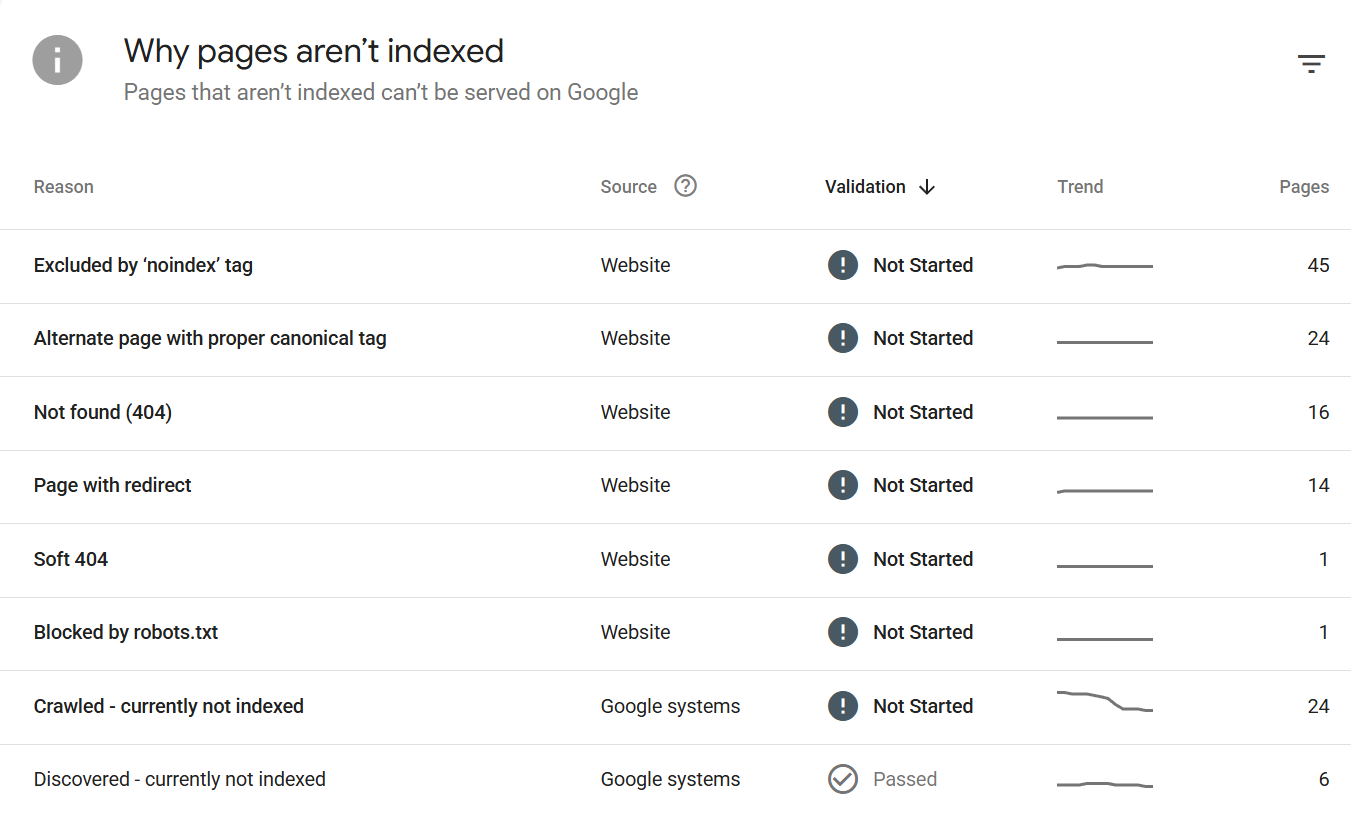
Large catalogues create their own problems: filter pages that multiply, duplicate product variants, out-of-stock pages, slow templates. We fix crawling and indexing first, so the pages worth ranking are the ones Google sees. Includes product and review schema, site speed and internal linking.
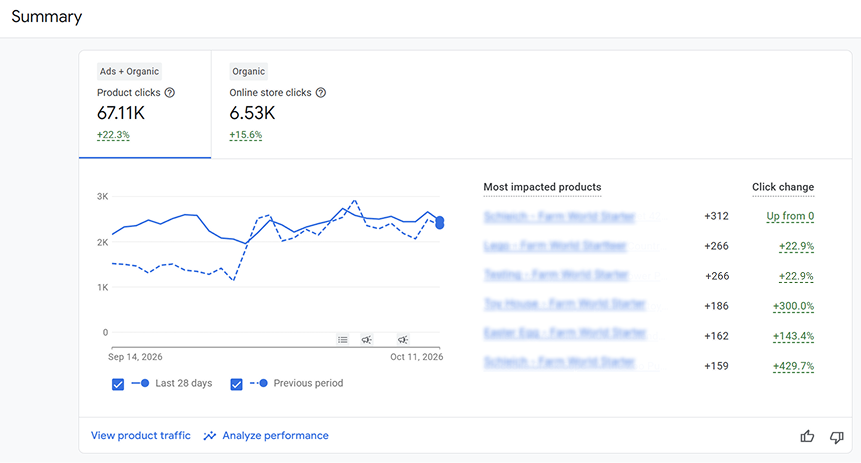
You see organic revenue, orders and the non-brand searches driving them. Rankings are in the report, but they are not the headline.
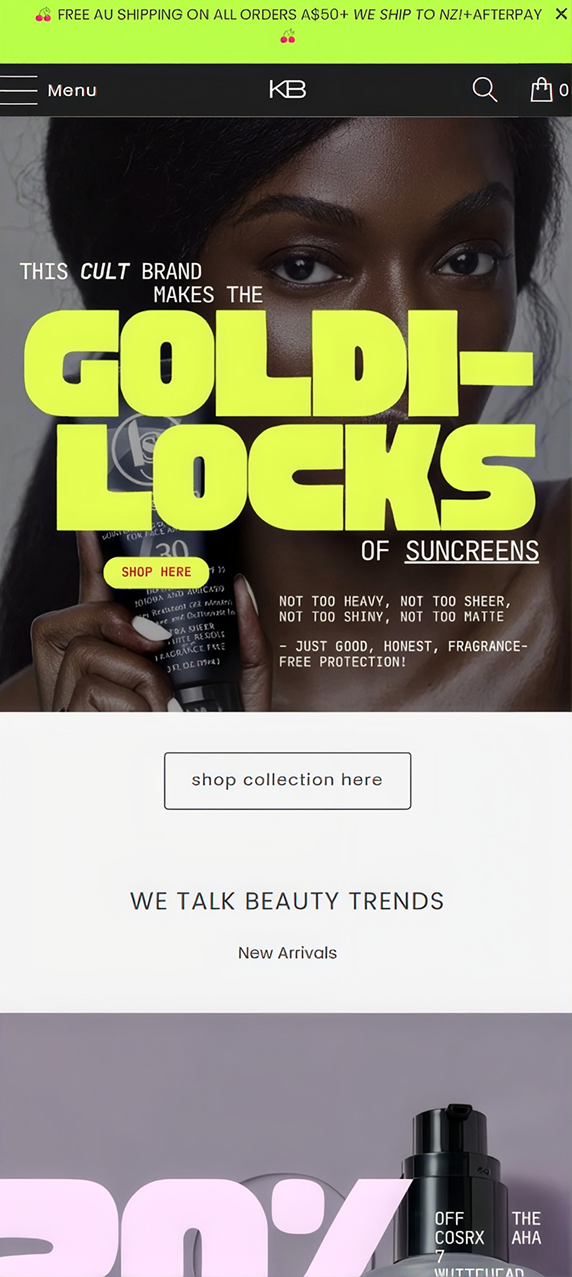
Links and mentions from sites your customers already trust. For Kanvas Beauty, that included a feature in an Afterpay article. We also look at where your business is discussed off your site, including Reddit and review platforms.
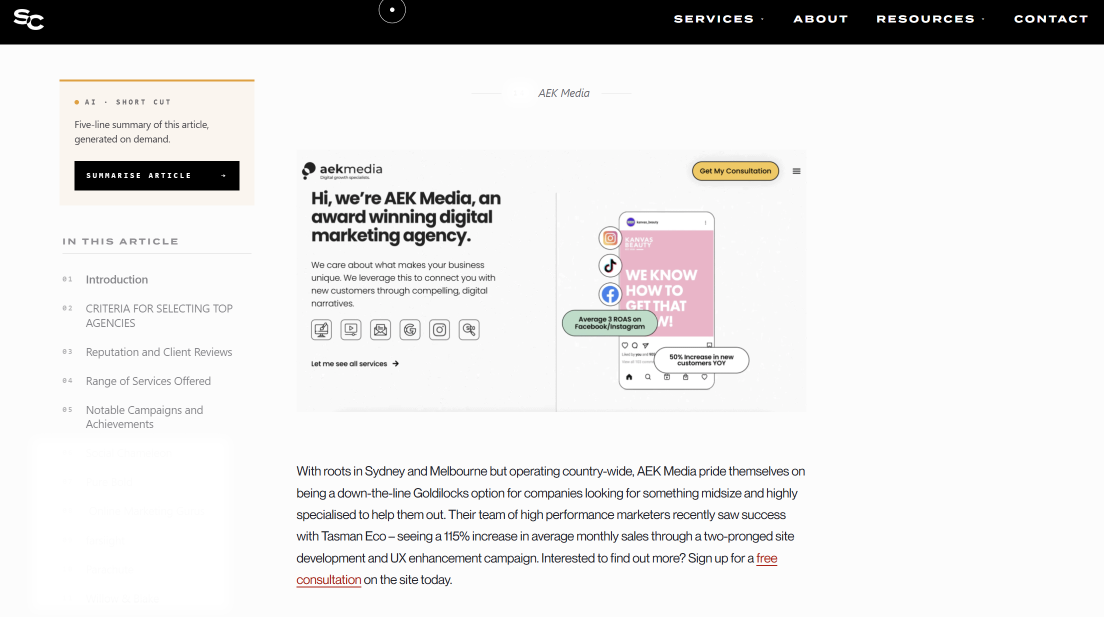
Shoppers now ask AI what to buy, and they take its word.
More product research is happening in ChatGPT and Google's AI Overviews. A shopper asks for the best option for their situation and gets a short list with reasons. If the answer is positive about your business, they trust it. If it is negative, or you are missing, they trust that too.
Those answers are built from what is written about you across the web, not only from your own site. So your reputation matters more than it ever has.
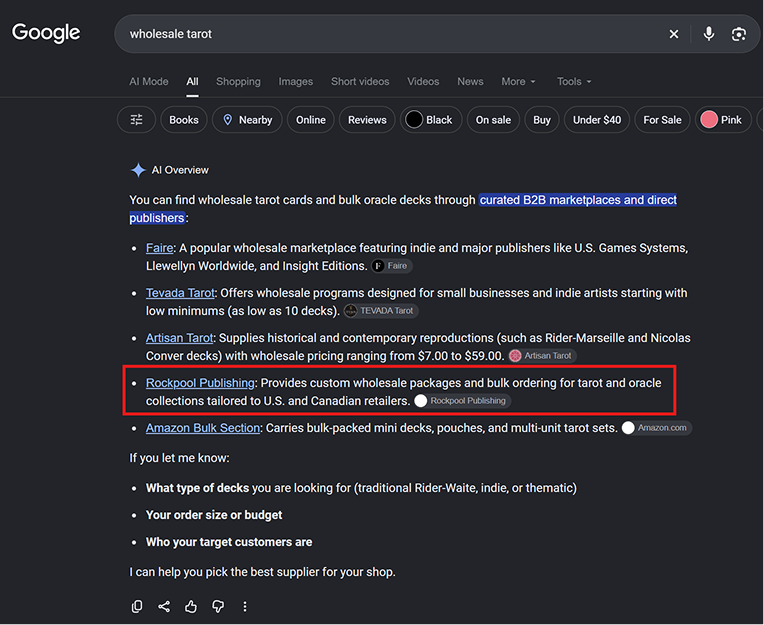
We check how your business and products appear in AI answers for the searches that matter.
What people say on Reddit, in forums and in your reviews, and which themes keep coming up.
A steady flow of recent, genuine reviews on your products and your store.
Clear buying guides and category pages that answer the question directly.
The same brand mentions that help rankings help AI answers.
Formerly Tasman Eco
Platforms we work with
We are Shopify Partners, WooCommerce experts and BigCommerce partners, and we work on Magento (Adobe Commerce) and Salesforce Commerce Cloud stores.
Each platform has its own quirks, from Shopify's collection URLs to WooCommerce plugin conflicts to Magento's layered navigation. We work within the platform you are on, without breaking what already works, and we can tell you plainly when a platform limit is what is holding your rankings back.
We audit the site, then map your products to the four journey stages and to the brand or retailer playbook.
Crawling, indexing, site structure and tracking, so later work is measured properly.
Priority category pages first, then product pages, chosen by margin and demand.
Guides for the research stages, linked into the categories they support.
Reviews, brand mentions and AI visibility.
Monthly, against the goal we set together at the start.
Born and bred in ecommerce.
AEK started by accident. We were running our own online store and only wanted better marketing for ourselves.
We tried other agencies and kept hitting the same wall. They understood marketing. They did not understand the product, or what it takes to run an online store. A plan can look good on a ranking report and still lose money once you count margin, shipping, returns and the stock you are holding.
So we built the agency we wish we had.
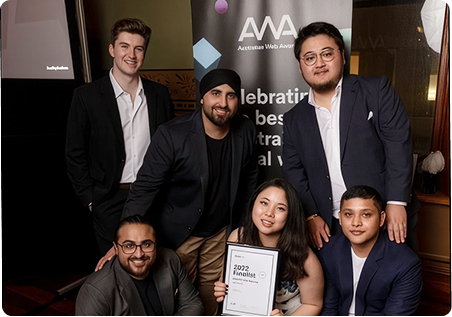
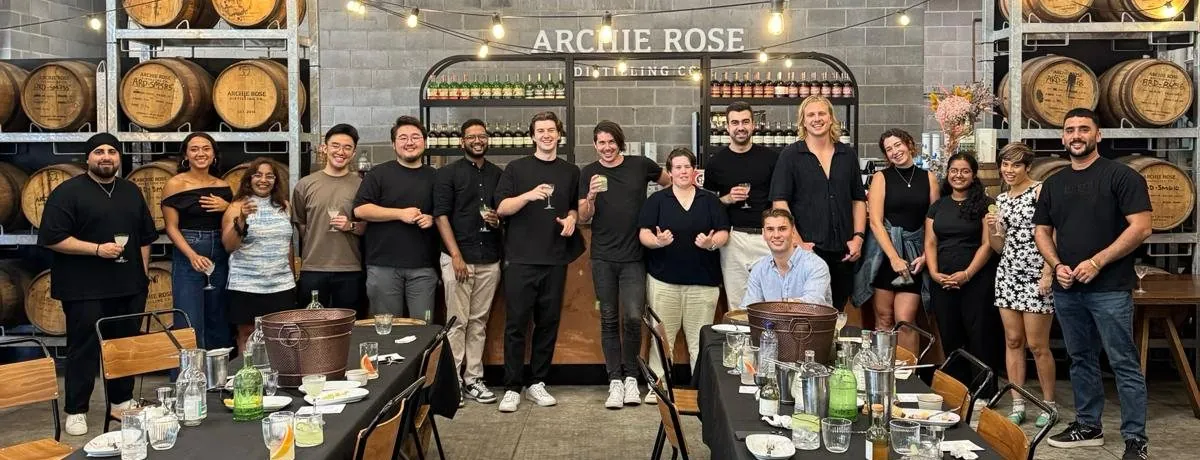
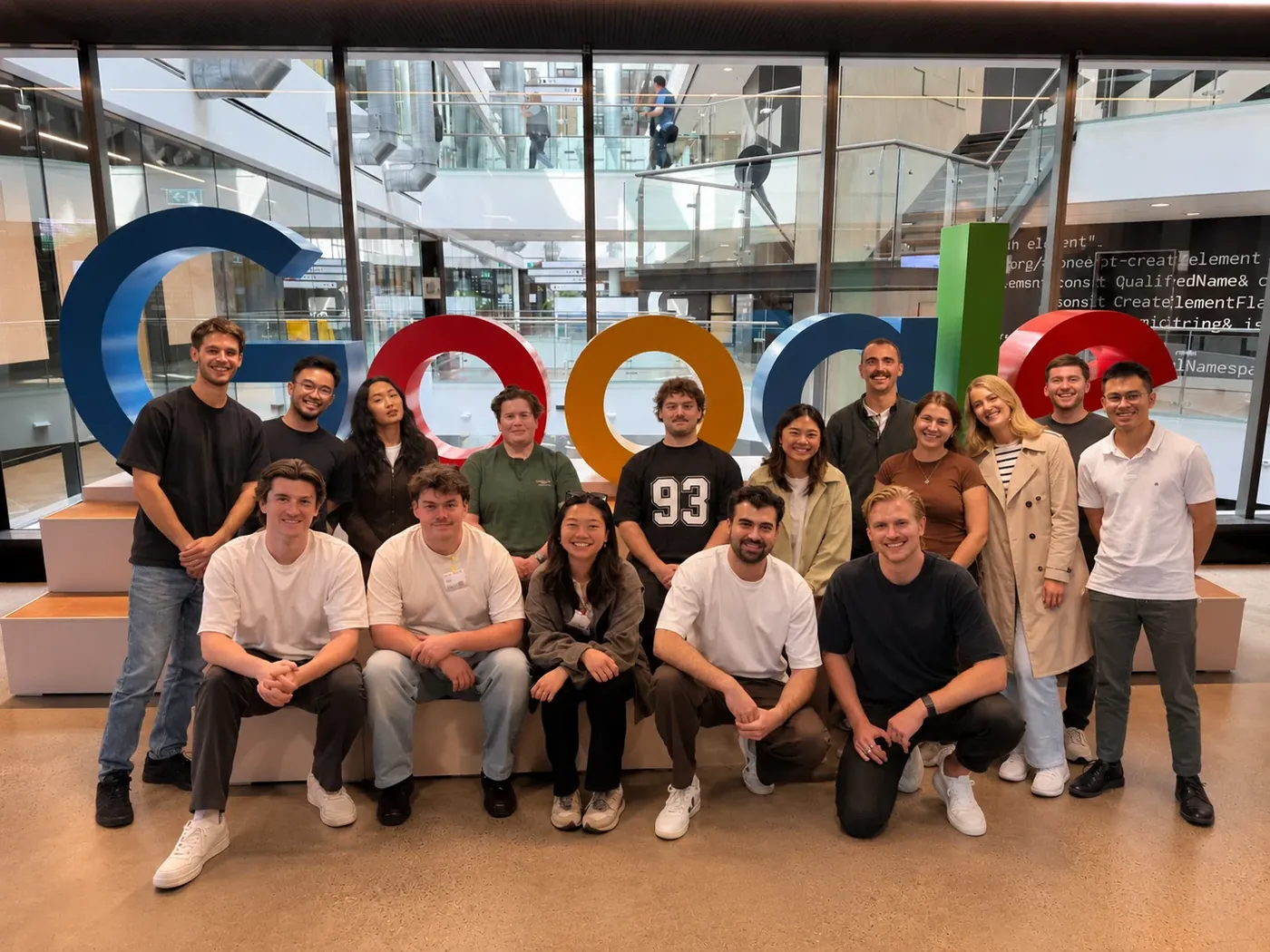
Our team are ex-entrepreneurs who have run their own ecommerce businesses. They know what it feels like to spend their own money on their own store. So when we plan your SEO, we ask what an owner would ask:
We are partners in your growth, not an SEO service provider. The goal is to use SEO to turn your business into a household name.
Everything a product page needs, under one roof.
A page that ranks and converts needs more than an SEO. Our ecommerce work is delivered by one in-house team: SEO specialists, content writers, ecommerce web designers and developers, photographers and videographers. Nothing waits on a third party, and the people writing your category pages sit next to the people designing them.
That includes the parts most SEO agencies never touch. We look at the photography and video of your products, reshoot where it is holding a page back, and write the guides that sit around them.
 5.0 rating on Google
Ecommerce SEO is the work of getting an online store found in search, across category pages, product pages and the guides that support them, so more of the right shoppers reach you without paying for every click.
Retailers need to rank first for the brands and products they stock, because the demand already exists. Brands need to be discovered by people who do not know them yet, so they need content for problem and comparison searches as well as product pages.
Usually category pages. They rank for the broader searches with the most demand, and they pass shoppers to products. We choose the first categories by margin, stock and search demand, not volume alone.
Yes, and the two are linked. AI answers draw on pages that already rank and on what is said about your brand elsewhere. The work that earns rankings, useful content, good reviews and trusted mentions, is the same work that gets you recommended.
Ads stop when the budget stops. Organic pages keep bringing in shoppers and lower what you pay to win each customer over time. Most stores need both, planned together.
[Your timings: first ranking movement, first revenue movement]
[Your starting price or range]
Yes. Reviews add fresh content to product pages, feed star ratings into search results, and shape what AI tools say about you. We set up review collection as part of the work.
No. Online stores sell nationally, and so do we. We are based in Sydney and work with stores across Australia.
Shopify, Shopify Plus, WooCommerce, BigCommerce and Magento.
Book a strategy call and we will map your top category against the four stages, show you which searches you are missing, and what we would build first.
Prefer to talk now? Call 1300 939 840
We'll contact you to lock in a time.
5.0